

 7-Aug-26 5 min. read
What Is the Cheapest Way to Ship a Car?
Compare affordable car shipping methods and learn practical ways to reduce transport costs without overlooking carrier safety or service details.
Read our cost guide Proudly American

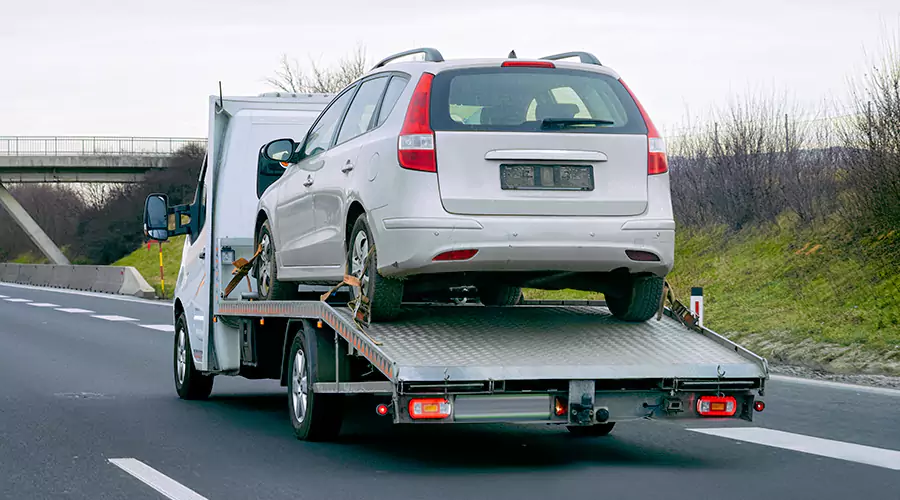
Open carrier transport is usually the cheapest way to ship a car because a 1,400-mile shipment averaged $1,108 in 2026. The average open-carrier rate was about $0.80 per mile. Actual prices can range from $500 to $2,500 within the continental United States.
Terminal-to-terminal service can reduce the base price. However, storage charges can erase the saving when vehicle pickup is delayed. Door-to-door shipping may cost less after terminal travel and storage fees are counted, especially for van transport when terminal travel and storage expenses are considered.
A very low estimate can become expensive when the quoted amount does not attract a carrier. Extra charges may appear before pickup. Comparing complete written estimates helps you find a low price without accepting unnecessary financial risk.
Open carrier transport costs less because one trailer can carry several vehicles during the same trip. Shared trailer space divides fuel and operating expenses across multiple customers. Enclosed transport carries fewer vehicles and can cost up to 50% more than comparable open service.
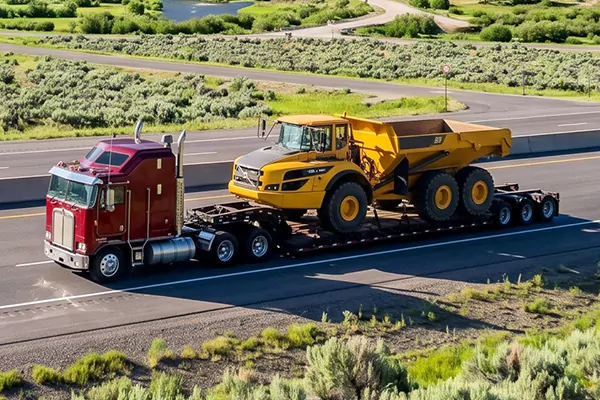
An open carrier is the large two-level trailer often seen transporting vehicles on highways. The vehicle remains exposed to weather and normal road dust. This method is widely used for standard sedans or family SUVs.
Cheap car shipping usually combines open transport with flexible pickup dates. The vehicle should also run under its own power. A common route can create more available carrier options.
Enclosed transport places the vehicle inside a covered trailer. The added protection suits classic cars or high-value vehicles. However, the price increase may not make sense for a normal daily-use car.
Open transport can cost 30% to 60% less than enclosed service on many routes. Enclosed trailers often carry fewer cars. That smaller load spreads operating expenses across fewer customers.
The lowest-price setup usually includes:
Top-load placement can create a separate charge. This position keeps the vehicle above cars that could leak fluids. Standard placement is the lower-cost choice for most vehicles.
Shipping prices rise with total distance while the rate per mile usually falls. Loading work remains similar for short and long trips. A longer route spreads those fixed tasks across more miles. A 1,400-mile open shipment averaged about $1,108 during a 2026 price study.
Short trips can have a high mileage rate because pickup work takes a large share of the total charge. Longer shipments have a higher final bill. Yet each mile can cost less.
| Shipping choice | 2026 planning figure | Cost effect |
|---|---|---|
| Domestic open transport | $500 to $2,500 | Main nationwide price range |
| 1,400-mile open shipment | About $1,108 | Average based on requested quotes |
| Average open rate | About $0.80 per mile | Useful starting benchmark |
| Enclosed transport | Up to 50% more | Added protection raises the total |
| Credit card payment | Possible 2% to 3% surcharge | Payment method can affect the bill |
The figures are planning benchmarks rather than guaranteed rates. Vehicle size changes the required trailer space. Route demand also affects the number of available trucks.
The cheapest way to ship a car cross country is usually open transport on a flexible schedule. Long routes can offer a lower rate for each mile. The total still remains higher because the truck travels farther.
A standard sedan normally costs less than a large pickup. Larger vehicles use more trailer space and add weight. An inoperable vehicle also costs more because the driver needs special loading equipment.
The counterintuitive lesson is simple. A longer route can provide better mileage value even when the final payment is larger.
You can lower the shipping cost by using open transport and allowing a broad pickup window. Booking before peak demand also gives you more carrier options. Accurate vehicle details prevent loading changes that could raise the price after the order has already been placed.
Booking early gives the shipment more time to match an active truck route. ConsumerAffairs reports that scheduling about eight weeks ahead can increase flexibility. Greater flexibility can produce a lower price.
A last-minute booking limits the available trucks. The remaining carrier may request a higher amount. Expedited pickup also moves the shipment away from the lowest-cost option.
A narrow pickup window reduces the number of usable routes. A wider window lets the vehicle fill an open trailer position that might otherwise remain empty.
Flexibility can reduce the price. The trade-off is that you may not receive a firm pickup time far in advance.
Summer and early fall are busy car-shipping periods. Prices often rise when more customers compete for trailer space. Late fall through late spring can offer lower demand on many routes.
Winter is not automatically cheaper on every route. Severe weather can reduce carrier availability. Compare current estimates instead of choosing a month by name alone.
A working vehicle can move onto the trailer without special equipment. Confirm that it starts before booking. Check that it can steer and brake.
An inoperable vehicle requires extra loading work. That condition should be reported before the final estimate is issued.
Standard trailer placement costs less than top-load placement. Open transport costs less than enclosed shipping. Normal pickup timing costs less than expedited service.
Pay only for protection or scheduling features that solve a real need. A daily-use sedan rarely needs the same transport setup as a rare collectible.
Terminal shipping often has a lower base price because the carrier avoids residential pickup work. However, you must deliver the vehicle to one facility and collect it from another. Storage fees can make terminal service more expensive when pickup does not happen quickly.
Terminal-to-terminal transport works best when both facilities are convenient. You also need enough schedule flexibility to collect the car soon after arrival.
Door-to-door service costs more in many cases because the truck travels closer to the requested addresses. Yet this option can reduce your fuel expense and local travel time.
Affordable car shipping should be measured by the final trip cost. Include travel to each terminal. Add storage charges and payment fees.
Use this comparison before choosing terminal service:
| Expense | Terminal service | Door-to-door service |
|---|---|---|
| Base transport price | Often lower | Often higher |
| Local travel | Required | Limited |
| Storage risk | Possible | Usually avoided |
| Pickup convenience | Lower | Higher |
Terminal service may save $100 on the transport order. That saving disappears when long-distance rides and storage cost more than $100.
Ask when storage charges begin. Confirm the daily rate in writing. Calculate the distance to both facilities before booking.
A suspiciously low quote can signal bait pricing rather than a genuine saving. Warning signs include missing federal registration and unclear payment terms. The Federal Motor Carrier Safety Administration advises consumers to verify the MC number before using an interstate transporter or broker.
Check these ten warning signs:
Results for cheap car shipping near me can include brokers located outside your region. A local-looking website does not confirm federal registration.
Cheap auto shipping companies are not automatically unsafe. The risk begins when a low price appears beside missing records or unclear terms.
You can test a shipping quote by calculating a mileage baseline and comparing three written offers. Use about $0.80 per mile as a broad 2026 open-carrier benchmark. Then adjust your expectation for vehicle size and the selected trailer type.
Follow these steps:
A 1,400-mile shipment produces a baseline near $1,120. This result sits close to the $1,108 average reported from 2026 open-carrier quotes.
The calculation will not predict the exact market price. It gives you a reference point for spotting an unusually low or high offer.
Compare cheap car shipping quotes using identical details. Use the same vehicle model for every request. Keep the trailer type unchanged.
A quote near the baseline may still include different payment terms. Check whether insurance is included. Review the cancellation policy.
A best affordable car shipping company claim should not replace verification. FMCSA registration carries more weight than promotional wording.
Professional guidance becomes useful when the vehicle cannot run or has very low ground clearance. It also helps when the car has unusual dimensions. A registered broker can arrange the shipment while a registered carrier performs the physical transportation.
Call before booking when the vehicle cannot steer. Report a failed brake system as well. These conditions can change the required equipment.
Ask whether the business is a broker or carrier. Both roles must register with FMCSA for interstate activity. Carriers also receive a USDOT number.
Request the assigned carrier’s legal name before releasing the vehicle. Verify that information through the federal database.
Affordable car shipping companies should describe the payment schedule in writing. They should also identify circumstances that can change the price.
A professional should explain whether open transport is suitable for the vehicle. Enclosed shipping may be appropriate when normal road exposure could create a large financial loss.
Extra charges are easier to prevent when every shipment detail is accurate before dispatch. Confirm that the vehicle operates and disclose exterior modifications. Read the payment terms before booking. Review the bill of lading before the vehicle is loaded onto the trailer.
Use this preparation schedule:
Remove loose personal property from the car. Some carriers allow limited weight. Others can charge for added items or refuse to transport them.
Ask about payment surcharges before choosing a card. Some transport providers charge 2% to 3% for credit card payments.
Skip top-load placement unless the vehicle needs it. This request can create another fee. Standard placement keeps the transport setup simpler.
Review cheap car shipping services by total price rather than deposit size. The balance owed to the driver should appear in writing.
Accurate information creates more stable pricing. Clear booking terms also reduce the chance of a pickup-day dispute.
The cheapest way to ship a car combines open transport with flexible scheduling and accurate vehicle details. Terminal service can lower the base price but storage may erase the saving. Compare three matching estimates and verify federal registration before paying. Professional guidance helps when special loading equipment is required. This week, calculate a mileage baseline and review the complete terms behind each quote.
7-Aug-26 5 min. read
Compare affordable car shipping methods and learn practical ways to reduce transport costs without overlooking carrier safety or service details.
Read our cost guideNeed Help?
One call solves it all.